
"Yirgacheffe vs Harar"
5000 article(s) found

A brief introduction to the History and Culture of the Origin and Development of Coffee beans in Harald Moka Manor in Ethiopia
Ethiopia has unique natural conditions suitable for growing all imaginable varieties of coffee. As a highland crop, Ethiopian coffee beans are mainly grown in areas between 1, 100 and 2300 meters above sea level, roughly distributed in southern Ethiopia. Deep soil, well drained soil, weakly acidic soil, laterite and soil are soft and contain

Introduction to the characteristics of the full-grained Yega Sheffiwoca Coffee Flavor Manor in Ethiopia
[product name]: Ethiopia Ethiopia Yirgacheffe [quality rating]: WP Grade 2 [baking]: recommended moderate baking (Medium Roast or City Roast) [grade]: excellent [granule]: ★ full [acidity]: ★★★★ slightly sour, dark chocolate aftertaste [balance]: ★★★★ is very stable

Introduction to the treatment of Yega Snow Coffee beans in the Eastern Highlands
One of the rarest Ethiopian coffee beans on the market is Yirgachaffe, which is exported to Japan and Europe but is rarely seen in the United States. This is because Dallmeyer, a German coffee roaster owned by Nestle, has established a close relationship with the growers of Yega Snow Coffee, thus obtaining the largest kind of coffee beans.

[coffee beans] classification of Ethiopian coffee
Ethiopia jimma (djimmah Gima) Ethiopia (Ethiopia) famous coffee: Yirgacheffe, Harald, sidamo; and Djimmah are also good and balanced. It is an affordable African mocha forest coffee that grows in the natural environment and under the shade of natural forest trees.

Introduction to the Variety characteristics of Coffee Flavor description method in Sidamo Shachisuo, Ethiopia
Sidamo coffee beans Ethiopia is the hometown of Arabica coffee, and it is in the forests of the Kaffa region that you can see wild Arabica coffee. In Ethiopian, coffee is called Bun or Buna, and coffee beans (coffeebean) may be translated from Kaffa Bun. Arabica was discovered early in Harald (Harar).

Flavor description of Ethiopian Honey Coffee beans introduction to Grinding scale Variety Manor
The Flavor description of Ethiopian Honey Kiss Coffee beans Grinding scale Variety Manor introduces that Ethiopia grows coffee in different climatic zones, so it has more than 140 farm varieties, and fresh coffee is produced all the year round. The quality of Ethiopian coffee varies according to different elevations and regional ecological environment. Harar coffee in the southeast highlands is a typical Muhaka.
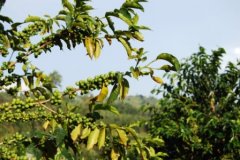
Ethiopia emphasizes fruity and floral boutique coffee
In fact, according to Ms. Knudsen, people started drinking fine coffee, but later, due to the growing demand for coffee, the discovery and use of new coffee varieties led to the decline of coffee quality. later, people even began to dislike this bad coffee and began to turn to other drinks. In this case, Ms. Knudsen's re-recognition

Yega Snow Coffee producing area Sidamo Gedeo District, Sidamo Province
Today, Ethiopia is an important coffee producer, with about 12 million people engaged in coffee production and a major exporter of Arabica coffee beans in Africa. The high-quality coffee here is of excellent quality and is worth looking for. A variety of coffee cultivation methods can be found in Ethiopia: from wild coffee forests and semi-developed land

Introduction to the producing area of variety characteristics of Ethiopian coffee bean variety flavor description method
Ethiopian Coffee Bean Variety Flavor description processing method Variety characteristics of Ethiopian Coffee Bean production region introduction Ethiopian State News Agency quoted Prime Minister Haier Mariam on October 9, 2016 as saying that in response to tensions caused by public demonstrations in Oromia, Ethiopia entered a six-month state of emergency in February 1977, Mengistu Maryam (MENGISTU HAILE MARI).

Yega Snow Coffee Flavor Adoto introduces the characteristics of Yejia Chefe Coffee
Today, Ethiopia is an important coffee producer, with about 12 million people engaged in coffee production and a major exporter of Arabica coffee beans in Africa. The high-quality coffee here is of excellent quality and is worth looking for. A variety of coffee cultivation methods can be found in Ethiopia: from wild coffee forests and semi-developed land

The Yega Snow Coffee producing area of a coffee with unique flavor
Today, Ethiopia is an important coffee producer, with about 12 million people engaged in coffee production and a major exporter of Arabica coffee beans in Africa. The high-quality coffee here is of excellent quality and is worth looking for. A variety of coffee cultivation methods can be found in Ethiopia: from wild coffee forests and semi-developed land

Coffee Story Shepherd Boy vs Hulk
Coffee originated in Ethiopia, East Africa, bloggers have always had a soft spot for African coffee beans, have a special love, not only because of the influence of mother, Africa has special feelings (mother's family grew up in East Africa), and indeed African coffee taste, there is always an indescribable unique flavor, full of primitive wild vitality. (See previous post: World Book)
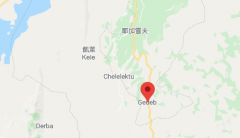
Introduction to the background of Wokaha Tubai Village Cooperative introduction to the flavor characteristics of Yega Shifei Wauka coffee beans
WorkaSakaro Village (WorkaSakaro) is located in the town of GedebWoreda in the south of Yirgacheffe producing area, about 30 kilometers southeast of the famous Yegashafi town, at a high altitude.

Yega Snow Coffee producing area Sidamo Gedeo District, Sidamo Province
Today, Ethiopia is an important coffee producer, with about 12 million people engaged in coffee production and a major exporter of Arabica coffee beans in Africa. The high-quality coffee here is of excellent quality and is worth looking for. A variety of coffee cultivation methods can be found in Ethiopia: from wild coffee forests and semi-developed land

Ethiopia's main coffee producing area, Yegashfi coffee producing area, Yegashfi Gediyo
The rarest Ethiopian coffee beans on the market are Yirgachaffe beans, which are exported to Japan and Europe but rarely found in the United States. This is because Dallmeyer, a German coffee roaster owned by Nestle, has established close ties with the growers of Yerga Coffee and thus obtained the largest coffee beans of the type.

What is the difference in flavor and taste between Guji and Sidamo in Ethiopian coffee producing area
There are eight major coffee producing areas in Ethiopia: Lekempti, Limu, Illubabor, Djimmah, Harar, Teppi/Bebeka, Sidamo and Yirgacheffe. Evaluation of Ethiopian Coffee in China

Yega Snow Coffee Coffee Estates in the Eastern Highlands
Today, in the Sidamo Gedeo district of Sidamo province, Ethiopia is an important coffee producer, with about 12 million people engaged in coffee production and a major exporter of Arabica coffee beans in Africa. The high-quality coffee here is of excellent quality and is worth looking for. A variety of coffee cultivation methods can be found in Ethiopia: from wild coffee forests and semi-developed land to traditionally managed ones.

Introduction of Coffee Manor in Sidamo Gedeo District, Sidamo Province, Yega Snow Coffee producing area
Today, Ethiopia is an important coffee producer, with about 12 million people engaged in coffee production and a major exporter of Arabica coffee beans in Africa. The high-quality coffee here is of excellent quality and is worth looking for. A variety of coffee cultivation methods can be found in Ethiopia: from wild coffee forests and semi-developed land

The difference between Yega Snow Coffee G1 and G2 Water washed Yega Chevy Coffee Taste characteristics of Yega Snow Coffee
Yirgacheffe coffee raw bean is one of the most distinctive coffee in the world, rare and expensive, produced in the highlands of Ethiopia's sidamo province (4000 feet above sea level). It is an outstanding representative of washed coffee in Africa, with unique citrus and lemon fruit aromas, jasmine aromas, moderate roasting and soft acidity, deep roasting.

Introduction of the most unique coffee in the world, Yega Chuefei.
Today, Ethiopia is an important coffee producer, with about 12 million people engaged in coffee production and a major exporter of Arabica coffee beans in Africa. The high-quality coffee here is of excellent quality and is worth looking for. A variety of coffee cultivation methods can be found in Ethiopia: from wild coffee forests and semi-developed land